


South Africa’s Logistics Reforms Lag Behind Targets
South Africa’s logistics reforms, launched in 2020 to address chronic bottlenecks in freight rail, ports, and power supply, are progressing more slowly than policymakers hoped, raising concerns about the country’s ability to serve as a reliable trade gateway for the Southern African region and the Middle East.
Slow Implementation of Freight‑Rail Changes
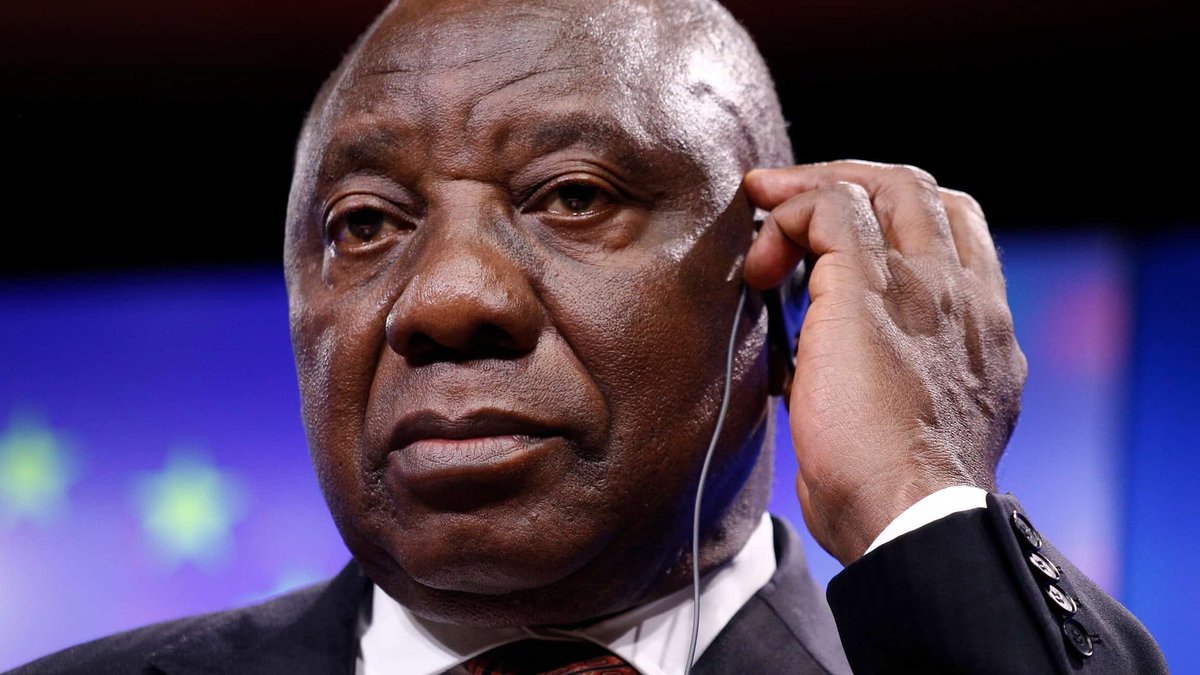
The administration of President Cyril Ramaphosa recently released a progress report that confirms reforms in the freight‑rail sector are under way but lagging behind schedule. The report notes that contracts have been finalized with eleven private rail operators, a step intended to diversify ownership and reduce reliance on the state‑run Transnet.
According to the document, these new operators are expected to add roughly 24 million tons of capacity, covering commodities such as coal, manganese, containers, fuel, and general freight. Freight‑rail volumes rose to about 168 million tons in 2025 from 160.1 million tons the year before, yet this remains short of the 200 million‑ton threshold identified as necessary for meaningful logistics improvement.
Matteo Addonizio, head of infrastructure research at the BMI advisory unit, said the shift toward a multi‑operator model “strengthens the investment proposition” by moving rail recovery away from exclusive public‑sector control. The expectation is that private capital will flow into the sector, encouraging a more competitive environment.
Related: TikTok saves struggling mooncake business
Potential Gains for Regional Trade
Analysts argue that faster implementation could enhance South Africa’s role as a conduit for Gulf‑sourced inputs and other commodities moving through the region. Lerato Mzezewa, senior operational risk analyst at the Fitch Group’s BMI advisory, highlighted that improved freight‑rail performance would “help exporters move bulk, refrigerated, and containerized cargo” and bolster the country’s competitiveness as a trade hub.
Gulf markets accounted for about 11 % of South Africa’s total imports in 2025, equating to roughly $11.6 billion. The same markets supplied 60 % of the nation’s crude and refined petroleum imports. Strengthening inland logistics could therefore have a noticeable impact on the flow of these essential inputs.
Heavy‑freight movers such as Kumba Iron Ore have already felt the strain. A company spokesperson explained that Kumba has had to “align production more closely with Transnet’s constrained rail and port capacity,” citing aging infrastructure and maintenance shortfalls as direct impediments to reliable operations.
Logistics inefficiencies intersect with other vulnerabilities, including exposure to global fuel price volatility linked to geopolitical tensions in the Middle East. Jee‑A van der Linde, a senior economist at Oxford Economics Africa, warned that South Africa’s heavy reliance on imported crude oil, combined with a freight system that moves about 80 % of goods by road, compounds economic pressures.
Related: Rental Properties May Not Pay Off Always
While the reforms aim to attract sustained private investment, the pace of change remains a point of contention. The report’s modest gains in rail volume suggest that the targeted capacity improvements will require additional time and perhaps further policy adjustments.
The timeline remains uncertain.
Future success will hinge on the ability of new private operators to integrate smoothly with existing infrastructure and on the government’s willingness to address lingering maintenance and funding gaps. If the rail network can achieve the projected capacity, South Africa could solidify its position as a key logistical bridge between Africa and the Middle East, facilitating smoother movement of both raw materials and finished goods.

TikTok saves struggling mooncake business


