


China Q4 Growth Slows to 4.5% Meeting Target
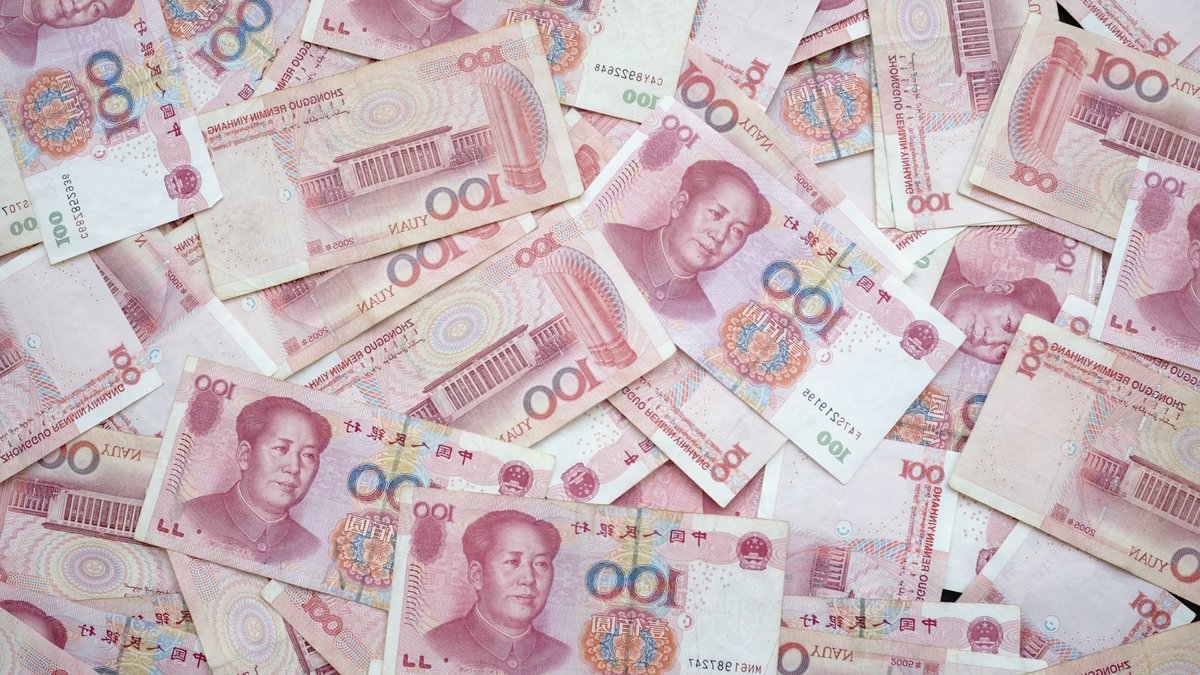
China’s Q4 growth slowed to 4.5% year‑on‑year, according to the National Bureau of Statistics, marking the lowest quarterly expansion in three years.
Quarterly slowdown and annual performance
The bureau said the slowdown followed a 4.8% rise in the third quarter.
Despite the dip, the economy posted a 5.0% gain for the full year, meeting Beijing’s target of “around 5%.” The report highlighted a record export surplus of $1.2 trillion, up 20% from the previous year, as a key driver.
Industrial output increased 5.2% in December, led by electric‑vehicle production, shipbuilding and green‑energy technology. By contrast, retail sales grew only 0.9% in the same month, even with government “trade‑in” subsidies meant to spur purchases of appliances and vehicles.
Export‑led growth amid domestic weakness
High‑tech manufacturing and shipments reached historic levels while domestic demand lagged. Property investment fell 17.2% over the year as home prices continued to slide, eroding household wealth.
Related: Microsoft Stock Falls on Disappointing Earnings Report
The sector, once a primary growth engine, showed little sign of recovery.
Analysts note the “K‑shaped” divergence: firms in high‑tech fields thrive, but consumers remain cautious. One economist said the official figures likely overstate growth by about 1.5 percentage points, suggesting the real pace could be nearer 3.0% for the quarter.
China’s overcapacity in production has helped push exports, but at the cost of lower margins. Cutting prices may keep volumes up, yet it undermines profits and, ultimately, growth.
Consumer confidence remains fragile.
While factories operate at near‑full capacity, households keep savings in the bank, waiting for stronger signals. The central bank has responded by lowering the one‑year relending rate to 1.25% and adding 500 billion yuan to relending facilities, a move that shows a willingness to ease credit conditions.
Related: UK rejects China trade deal over US tariff risks
In the middle of the fiscal year, Beijing is turning to targeted stimulus rather than broad‑brush infrastructure spending. A 1.2 trillion‑yuan package aims at artificial intelligence, robotics and green‑energy projects, reflecting a shift toward new productive forces.
Trade relations are also being recalibrated. Canada recently reduced tariffs on electric‑vehicle imports from 100% to 6.1% under a most‑favored‑nation framework, though it set an import quota that will rise to 70,000 over five years. The European Union reached a “price undertaking” with China to replace punitive tariffs on Chinese electric vehicles, a step meant to ease the trade war that began in 2024.
Authorities have also lowered the minimum down‑payment for commercial property mortgages to 30%, aiming to clear the backlog of unsold commercial inventory that has strained local government finances. The government’s “trade‑in” programs continue, backed by 62.5 billion yuan in ultra‑long special bonds to fund subsidies for new automobiles, smartphones and home appliances.
Looking ahead, the People’s Bank of China signaled “ample room” for further interest‑rate cuts and adjustments to the reserve‑requirement ratio later this year. Such monetary flexibility, combined with targeted fiscal measures, may help sustain growth into 2026, though the reliance on export‑driven expansion remains a concern for long‑term stability.

Microsoft Stock Falls on Disappointing Earnings Report


