


Carney Rejects China Trade Deal
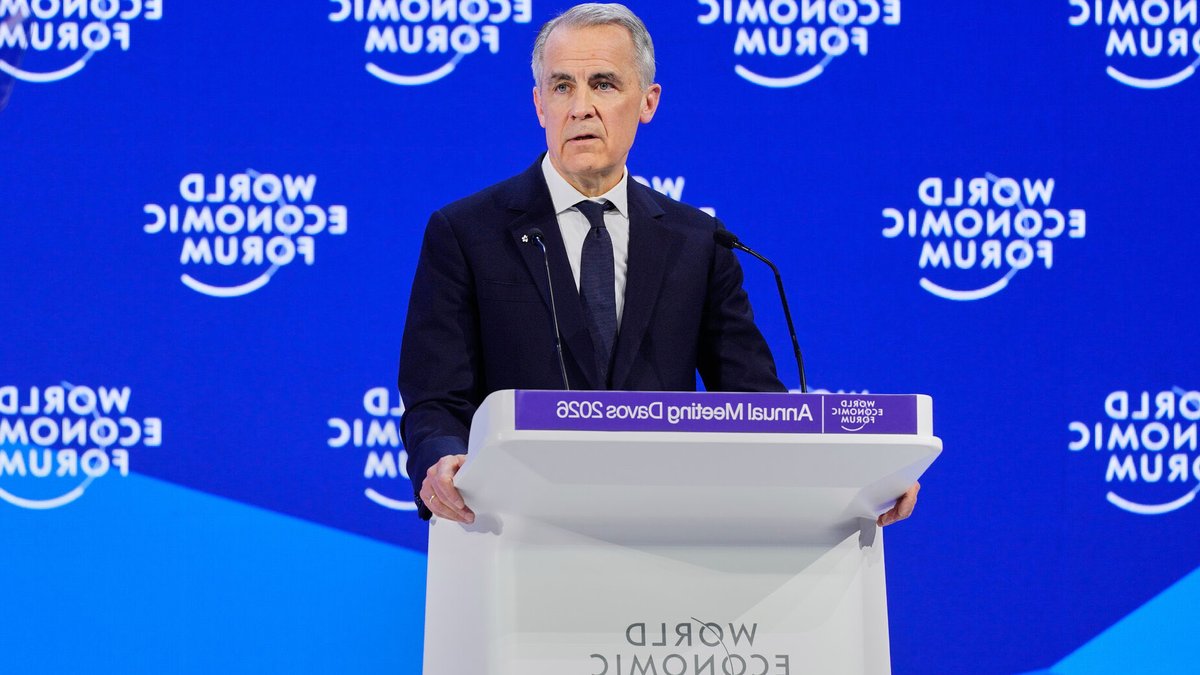
Canadian Prime Minister Mark Carney told reporters in Ottawa that Canada has “no intention” of pursuing a formal free‑trade agreement with China, a stance that comes as U.S. President Donald Trump warned of a 100 % tariff on Canadian goods if Ottawa deepens ties with Beijing.
Canada pulls back from a full China trade pact
Carney said recent talks with China were limited to fixing problems that have arisen over the past two years, not creating a full trade framework. The comment follows a January 16, 2026 arrangement signed during Carney’s visit to Beijing, which was meant to calm a cycle of retaliatory measures that began in 2024.
The agreement includes an import cap for Chinese electric vehicles, allowing 49,000 units a year at a reduced tariff of 6.1 % instead of the previous rate. The lower duty is designed to help Canada meet emissions goals, as high vehicle prices have slowed domestic EV adoption.
Related: Ledger wallets safe after data incident
In agriculture, China will cut tariffs on Canadian canola seed oil from 85 % to 15 % and will exempt lobster, beef and hay from anti‑discrimination duties through the end of the term. The deal also promises Chinese investment in Canada’s automotive sector within the next three years.
Carney described the arrangement as a “reversal toward predictability” amid an increasingly volatile trade relationship with the United States. When asked whether China had proved a more reliable partner than the U.S., he replied, “In terms of the way our relationship has progressed in recent months with China, it is more predictable, and you see results coming from that.”
U.S. pressure and the USMCA “China clause”
President Trump reacted sharply on his Truth Social platform, accusing Carney of turning Canada into a “Drop Off Port” for Chinese goods intended to bypass U.S. tariffs. He warned that a Canadian deal with Beijing would trigger an immediate tariff on all Canadian products entering the United States.
Trump’s remarks echo a broader pattern of tension between the two leaders, heightened after Carney’s speech at the World Economic Forum in Davos, where he warned against “economic coercion” by great powers—a comment widely read as a critique of the “America First” approach.
Related: The Role Of AC Servo Motors In Industrial Robotics: A Review Of Emerging Trends And Applications
Underlying the dispute is Article 32.10 of the United States‑Mexico‑Canada Agreement (USMCA), often called the “China clause.” The provision gives the three members a de facto veto over each other’s ability to sign trade deals with countries classified as “non‑market economies,” a label applied almost exclusively to China. Under the rule, any member must notify the other two at least three months before starting negotiations, share detailed information about the deal’s objectives, and provide the full text for review 30 days before signing. Failure to comply can allow the other partners to terminate the USMCA with six months’ notice.
The clause is intended to stop Canada or Mexico from serving as a back‑door for Chinese products to enter the U.S. market duty‑free, reinforcing a unified North American trade front against state‑driven economic models.
As the USMCA faces a mandatory review this summer, the stakes for Canada’s economy are high. Carney is walking a tightrope: he wants to diversify trade to hedge against uncertainty while keeping the United States from closing its doors.
Related: Top 7 Sustainable Innovations Revolutionising the Packaging Industry in Southeast Asia
Canada seeks balance amid U.S. pressure.
While the U.S. threatens punitive tariffs, Canada’s decision to halt a full free‑trade pact with China may limit immediate gains from deeper market access. Yet the limited agreement already secured lower duties on key agricultural products and a modest opening for EVs, which could still help Canadian producers adjust to shifting global demand.
In the short term, the arrangement may provide a modest boost to sectors like canola and automotive manufacturing without provoking the full force of U.S. retaliation. However, the broader strategic picture remains uncertain, as Canada balances the desire for diversified trade partners against the risk of alienating its largest neighbor.

Ledger wallets safe after data incident


