


Insurers act on climate change commitments
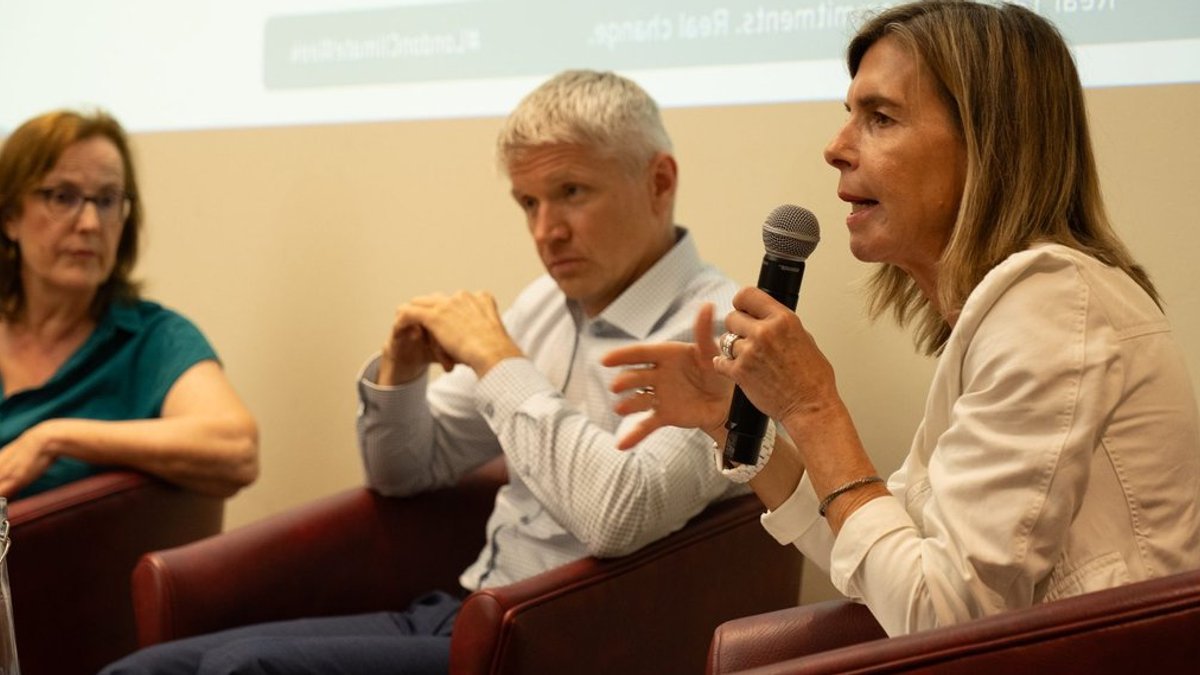
At London Climate Action Week, finance and insurance executives discussed what credible climate action looks like in the face of political backlash, shifting regulation, and uneven market behavior.
An Honest Conversation on Advancing Climate Action in the Finance Industry brought together Allianz Board Member Günther Thallinger, BNP Paribas’ Chief Sustainability Officer Laurence Pessez, and Heffa Schücking, Founder and Director of Urgewald.
Climate Action in Finance
The session emphasized that climate strategy in finance has moved beyond broad commitments and polished positioning, and that the harder question now is how to make sustainability part of the business model in a way that is durable, profitable, and credible under pressure.
Günther Thallinger argued that climate action is now inseparable from competitiveness, because a market that ignores rising physical and transition risks will become harder to insure, harder to price, and ultimately harder to sustain.
He says it starts to get very difficult to have a competitive economy that’s more important than climate impact.
Insurers on the Front Line
For insurers, the climate conversation starts with risk, and Günther Thallinger reminded the audience how insurance sits at the heart of economic functioning.
If risk becomes unpriceable, capital becomes harder to deploy, and growth becomes more constrained.
Heffa Schücking emphasized the importance of first movers and being brave enough to do something no one else has done.
She says it’s really important to have first movers and to be brave enough to do something no one else has done.
Banking on the Transition
BNP Paribas is framing the climate crisis through transition finance, and Laurence Pessez says the bank made some “bold oil and gas commitments” at the end of 2022.
Related: Banks Signal Strong Second Half After Q2 Surge
Balancing Profitability and Discipline
The commercial case for climate action remains one of the most important questions in the market, and Laurence Pessez argued that stopping financing certain fossil-fuel activities can lead to short-term revenue loss.
However, she emphasized that this is offset by growth in low-carbon lending and by the strategic benefit of being early to market.
Allianz’s approach is different, although centered on a similar discipline, and Günther Thallinger emphasizes that climate strategy must strengthen the business, not sit apart from it.
In practice, this means that climate is not treated as a standalone ESG topic, but as part of core risk and portfolio governance.
As climate change continues to impact the economy, financial institutions are under increasing pressure to adapt and make sustainability a key part of their business models.
The Allianz position matters beyond the company itself, as its sustainability strategy integrates climate considerations across insurance, investments, asset management, and operations.
Pressure from outside, including civil society scrutiny and reputational pressure, can also drive change in finance, and Heffa Schücking argues that public pressure matters, especially when institutions are deciding whether to set restrictions on coal, oil, and gas.
This panel showed how sustainability is becoming a live management issue for financial institutions, setting it apart from other conversations around finance and the climate crisis.
It did not just reiterate previous and familiar discourse around climate commitments.

Fintech’s biggest stories this week


