


Consumers increasingly shop from home online
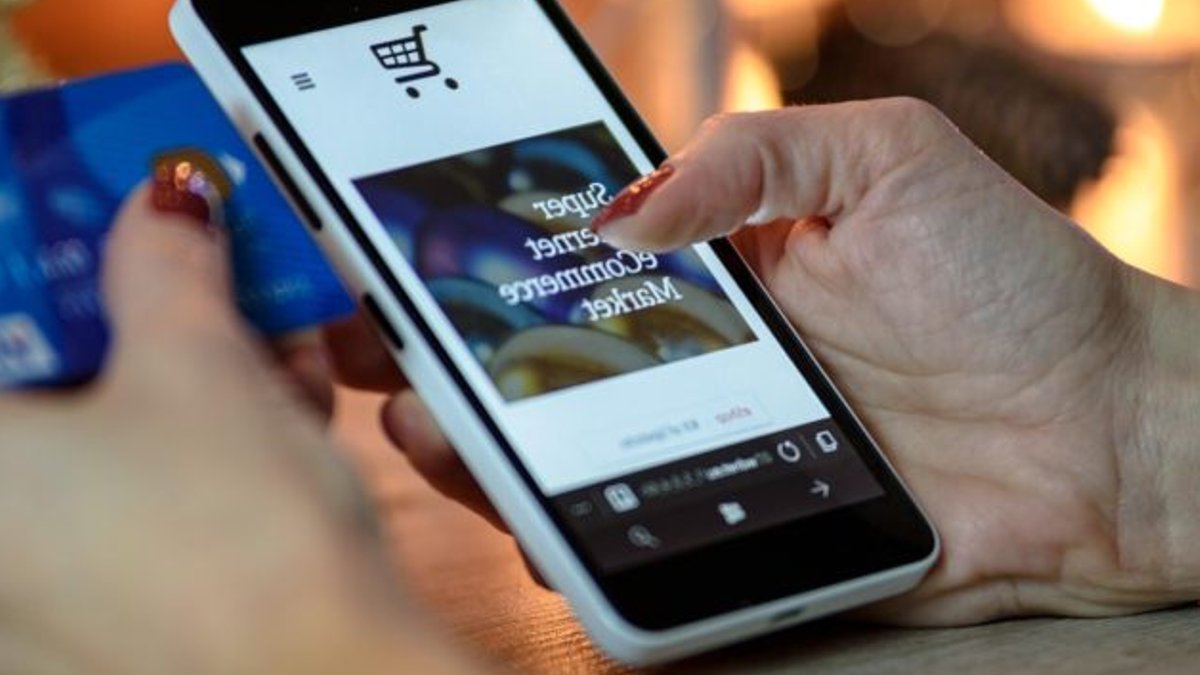
New Visa Business and Economic Insights research finds consumers are increasingly shopping, streaming, dining, and managing daily life from home, creating new opportunities for businesses that can deliver convenience and ongoing digital engagement.
Digital commerce expanded across all six markets studied between 2019 and 2026, with the share of domestic payment volume occurring online and in-app rising from 48% to 58% in the U.S., 10% to 24% in Poland, and 35% to 55% in the UAE.
The Rise of the Couch Economy
Streaming subscriptions now appear on a larger share of cards than cinema and concert spending across all markets studied, with more than 17% of cards in the U.S. used for streaming subscriptions, compared to roughly 6% of cards associated with cinema and concert spending.
Food delivery has become a mainstream service embedded in everyday spending habits, with growth increasingly driven by mass-market consumers rather than high-income spenders, according to the report, The Great Indoors: How the “Couch Economy” Is Redefining Consumer Spending Habits.
The research finds that consumer expectations around convenience, speed, and seamless experiences are increasingly influencing purchasing decisions and business strategies, with Wayne Best, chief economist at Visa, stating that “the rise of the couch economy reflects a broader shift in consumer behavior that extends far beyond e-commerce.”
Digital Commerce and Convenience
In the U.S., the share of domestic payment volume occurring online and in-app increased from 48 percent in 2019 to 58 percent in 2026, showing the continued expansion of digital commerce in everyday spending, with nearly 28 percent of cards in the U.K. now making 10 or more online or in-app purchases per month.
Subscriptions and delivery are winning share from traditional channels, especially in entertainment, where at-home streaming now reaches a broader share of consumers than out-of-home cinema and concert spending across every market studied, with Mohamed Bardastani, principal CEMEA economist at Visa, noting that “convenience has become a defining feature of modern consumer behavior.”
Food delivery services have followed a similar trajectory, with the share of cards active on food delivery apps increasing from approximately 2 percent in 2018 to nearly 30 percent in 2026 in the UAE, as consumers increasingly seek services that fit seamlessly into their daily routines.
Opportunities for Businesses
The opportunity for businesses extends beyond e-commerce, as convenience becomes a default consumer expectation, with businesses competing through digital engagement, subscription models, delivery capabilities, and recurring customer relationships, and broader lifestyle trends reinforcing this shift, such as rising pet ownership driving growth in pet supplies, grooming, care services, and other recurring household purchases.
The U.S. remains one of the most pet-oriented markets overall, with roughly 8 percent of domestic cards showing regular pet-related spending, as the couch economy marks a new shift in commerce, one where consumer spending is increasingly flowing to businesses that deliver convenience, digital engagement, and recurring value.
As technology continues to reduce friction in everyday activities, consumers are increasingly prioritizing convenience, driving more spending through digital channels, subscription services, and delivery platforms, and for businesses, understanding these evolving habits is essential to meeting customers where and how they choose to engage, according to Visa research.
Visa’s research highlights the importance of convenience in consumer behavior.
It is a key factor in purchasing decisions.
Businesses must adapt to meet changing consumer expectations.

PropTech Transforms Real Estate Industry


