


Anne Boden Leads Banking Revolution with Starling
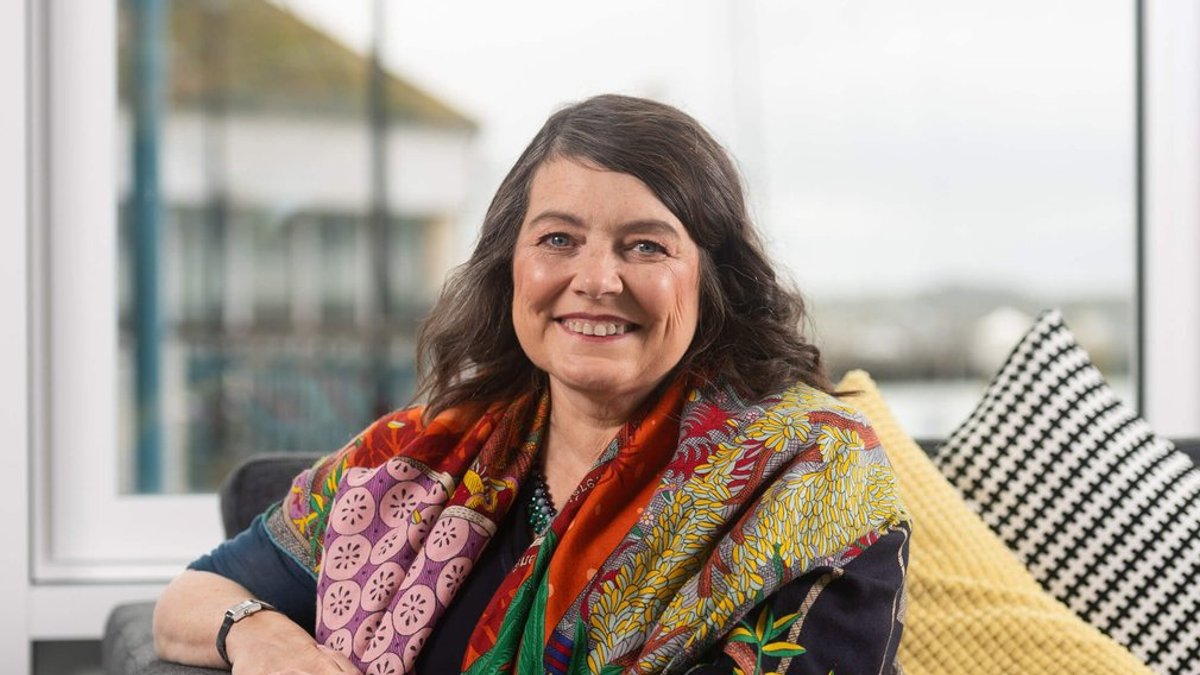
Anne Boden MBE grew up on the industrial streets of Swansea and later helped shape a new era for British finance. After three decades at major banks, she left a senior role in 2014 to launch a digital challenger that would become Starling Bank, a firm now serving millions and posting consistent profits.
From a school bank to a fintech empire
Born in 1960 to a steelworker father and an entrepreneurial mother, she kept the accounts for her school’s tiny bank, teaching classmates the value of cash. Those early lessons foreshadowed a career that spanned Lloyds, Standard Chartered, UBS, AON, ABN AMRO, RBS and Allied Irish Banks, where she rose to chief operating officer.
In 2014, at age 54, she walked away from a comfortable executive track. The move shocked peers; she said the established system “couldn’t be done” and set out to prove otherwise. To keep the venture afloat she sold her weekend home in Swansea, a personal gamble that showed her commitment.
Her background in computer science and chemistry, earned at Swansea University in 1981, gave her the technical fluency to build a bank from code rather than from brick‑and‑mortar.
Related: Enterprises and Startups Choose Stripe for Payments
Profitability and the rise of a challenger
By 2024, Starling Bank reported three straight years of pre‑tax profit, a first for any challenger in the UK market. The figures showed £301.1 million in pre‑tax earnings on revenues of £682.2 million, while the customer base reached 4.2 million users.
Those numbers mattered because most fintech start‑ups rely on venture capital and operate at a loss. The bank’s ability to sustain itself without constant cash infusions suggested a different path for digital finance.
In addition to retail services, the company rolled out Engine by Starling, a banking‑as‑service platform that lets other firms use its technology. This move turned a single‑bank model into a broader export of British fintech capability.
While the profit story is impressive, the real shift may be cultural.
The bank’s design emphasized simplicity, pushing back against the industry’s reputation for opaque charges and clunky interfaces. Customers now expect instant notifications and clear spending insights, standards that many legacy institutions are scrambling to match.
Related: FOMO Keeps Target Rate After Family Fight
Simplicity became its trademark.
From an analyst’s view, the success illustrates how a disciplined, customer‑first approach can outpace the “growth at any cost” mantra seen elsewhere. It also highlights the importance of leadership that blends technical know‑how with banking experience.
Beyond banking: new ventures and legacy
In June 2023, Anne Boden stepped down as chief executive, noting that the duties of a CEO differ from those of a major shareholder. By July 2024, she had left Starling’s board entirely to focus on AI by Boden, a company she registered in 2023 to explore artificial‑intelligence applications in industry.
Her public statements describe the new firm as “my platform for my personal interests in AI and industry disruption,” but detailed plans remain private. At 65, she is not retiring; instead she is testing another frontier, a move that mirrors her earlier willingness to challenge the status quo.

Enterprises and Startups Choose Stripe for Payments


