


Canadian Forces Ignored Safety Warnings for Decades Before Fatal Fire
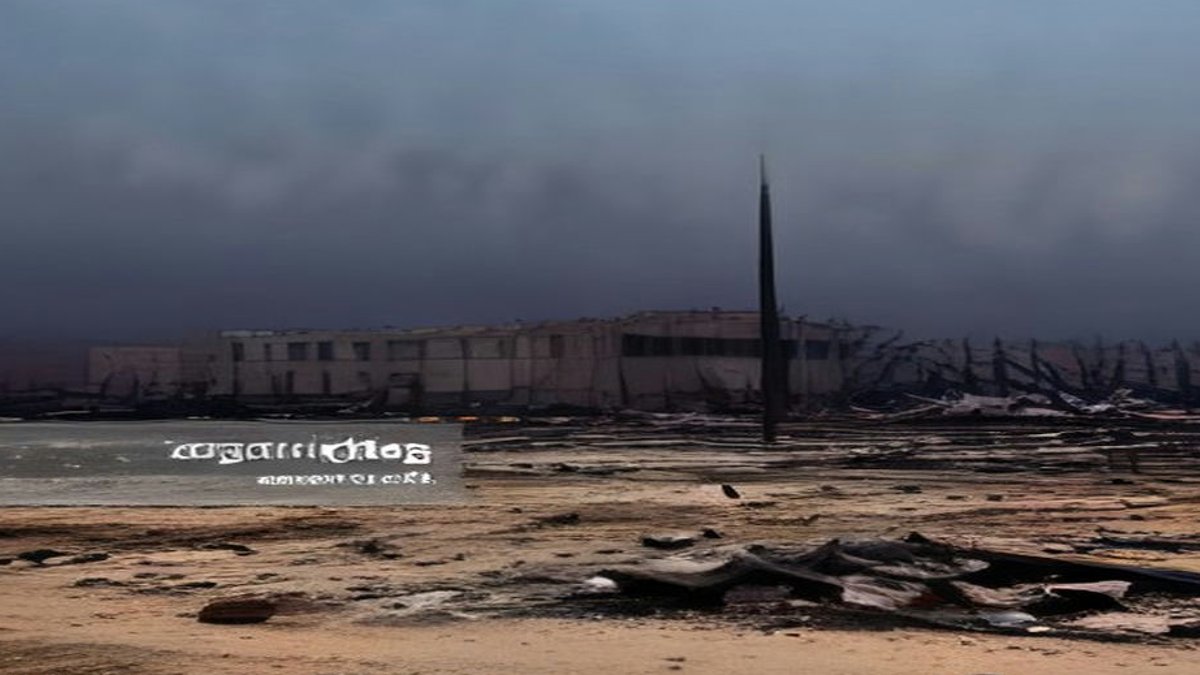
A fire at CFB Wainwright killed four soldiers and injured dozens more on October 17. But the Canadian Armed Forces had been warned for over 20 years that they weren’t taking safety seriously enough. Reaching “initial operational capability” for the new safety measures was expected to take more than a year, until spring 2027, under the leadership of Carignan’s vice-chief, Lt.-Gen. Stephen Kelsey, now Vice-Adm. Angus Topshee.
Documents presented to Gen. Jennie Carignan, the chief of the defence staff, at the end of 2025 called for a “fundamental transformation” to close long-standing gaps and mitigate safety risks. The plan aimed to achieve full operating capability by spring 2028, addressing issues that had been identified since 2003.
Long-standing safety concerns
The documents, obtained through an access-to-information request, revealed that internal research and reports dating back to 2003 had identified problems in structures, systems, and culture that the military had failed to address. “Extensive analyses and audits from 2003 to 2023 identified weaknesses in structure, policies, processes, culture, and mindsets,” the documents emphasized, highlighting the persistent nature of these issues.
Read Also: Nobel Economist Backs Carney’s Push for Canada’s Independence
The Department of National Defence couldn’t confirm whether the military is on track to meet this schedule or if the failings described in the documents contributed to the deaths at the Alberta military base.
Safety Challenges
The problems were categorized into four areas: organizational, informational, resources, and oversight. The military has at least 27 identifiable safety regimes that often overlap. This fragmentation was further complicated by unclear accountability and inadequate resources.
Retired Maj.-Gen. Scott Clancy, a former Royal Canadian Air Force pilot, noted that the military struggles with balancing safety and mission execution. A former helicopter pilot who commanded the air component of Canada’s aid mission in Haiti after the 2010 earthquake, Clancy said the military has long grappled with this tension. Speaking as a former pilot, he highlighted the air force’s strict safety regulations, such as rules on pilots’ rest and sleep hours, which were sometimes seen as excessive by other branches. Over the past 10 to 15 years, however, other branches have begun adopting some of the air force’s safety culture.
Read Also: Canadian Universities Seek $10M for AI Creative Training
Clancy suspects that systemic factors played a role in the CFB Wainwright disaster. He emphasized the need for a thorough investigation before drawing conclusions about fault. The fire on the training range, which grew into a lethal inferno, raises questions about monitoring and decision-making. Clancy highlighted the challenges of fighting fires on ranges with unexploded ordnance, where safety considerations sometimes led to fires being left to burn out.
The military’s safety issues stem from overlapping policies, accountability gaps, and inadequate oversight. Internal research highlighted weaknesses in structure, policies, processes, culture, and mindsets, contributing to raised risk exposure. The investigation into the fire continues, with systemic factors suspected to have played a significant role in the disaster. The military’s plan to transform its safety culture, approved by Gen. Carignan, aims to address these long-standing issues and mitigate safety risks.


