


Recognition Fuels MUFG’s People-First Culture
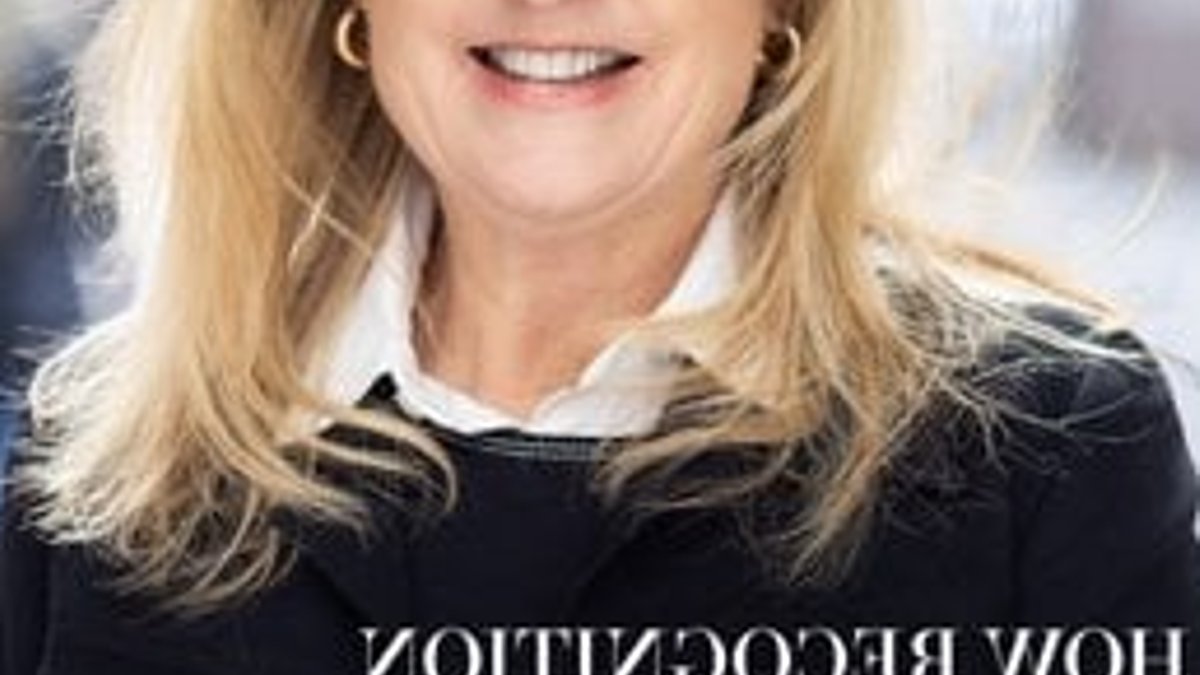
Beth Hoerle has spent two decades at MUFG, and the reason she stays is simple: the way the company treats its people. As Chief HR Officer at the Tokyo-headquartered banking group, she oversees HR strategy for roughly 150,000 employees across 40 countries. That longevity matters in an industry where HR leaders often rotate every few years. Her path to the C-suite started at JPMorgan, then MUFG in 2006, where she moved through business partner roles before taking the CHRO position in 2022.
“The work environment and the way we treat people are critical to our success,” she says of the company’s culture. MUFG has more than 360 years of heritage, and Hoerle says the Japanese roots still shape daily operations. “Respect, harmony, collaboration, both internally and with our clients are key to the way we do business.”
Related: Nasdaq Whitepaper: Scaling Banks in an AI Risk Era
HR’s shift from paperwork to partnership
When Hoerle started her career, HR was largely transactional. The function handled day-to-day people management, not strategic planning. “The strategic element has become much greater over time,” she reflects. “And honestly, that’s the best part – having the oversight and ability to focus on business partnership.” That shift tracks with MUFG’s own evolution. Over the last decade, the bank’s US operations grew from a branch serving Japanese companies into a global corporate and investment banking business. In 2022, MUFG sold its US retail division, Union Bank, to focus on wholesale corporate banking. Today the bank holds nearly US$3tn in assets and ranks among the 10 largest banks in the world.
HR has spent three years of a five-year plan moving from regional strategies to a single global model. “It takes a long time and considerable work to move towards that global approach,” Hoerle says, “particularly the organisational change management around it.” The transition touches everything from recruiting to talent programmes. The company now uses a single global HR business partner structure with visibility across all three regions where MUFG operates.
Recognition as a business tool, not a nice-to-have
Recognition sits at the center of MUFG’s people strategy. It’s not just about annual reviews or occasional praise. The company runs two formal programmes: Moments That Matter, a real-time peer recognition platform with point-based silver, gold and bronze awards, and the annual MUFG Excellence Awards, now in its sixth year. The awards programme changed significantly over time. It used to focus mainly on revenue production. Now it takes a broader view. Colleagues nominate peers who advance strategic objectives and demonstrate culture principles.
Related: Banks Signal Strong Second Half After Q2 Surge
“If people feel seen, heard and valued, they know they’re respected and trusted,” Hoerle says. “All of that feeds into inclusion, contributing to a place where people want to work.” There’s something to be said for the visibility that comes from the top. She describes the CEO as approachable and says he models the behavior she wants to see across the company. “As leaders, you can get a little out of touch if you don’t make a purposeful effort to stay connected.”
Psychological safety and the stories that stick
Hoerle serves as executive sponsor for the Pride Alliance Employee Resource Network, one of several such groups at the company. She recalls a story from that work that still moves her. Someone described how difficult it was to be themselves in their small hometown, but said that coming to work felt completely different – accepted, safe, able to be themselves. “It really hit me and I still get emotional thinking about it,” she says. “It was complete validation of the work we’re trying to do here.”
Training and development have also changed. Distinct leadership programmes now exist at every career stage, each building on the last, with clear competencies and networking opportunities woven through. Hoerle still returns to her college for recruiting and mentors a high school student through a nonprofit. “I was just reviewing the new Managing Director list,” she says, “and there’s nothing better than seeing one of the former entry level trainees get to that position.”
Related: Dollars Flow into Dominican Republic Economy
External partners, employee surveys and what comes next
MUFG works with outside firms on HR functions. Robert Walters supports recruiting, and KPMG handles mobility and expat relocations. Hoerle holds them to the same standard as her internal team. “We’re not working in silos, we’re all One MUFG.” The company runs an annual Global Employee Survey alongside quarterly regional pulse surveys. She says the key is acting on the results. “Choose a few themes, start at the top of the house, drive them down through every business and do them really well.” When the company completes an action, it frames it as: you said it, we did it.
Looking ahead, Hoerle sees AI as the biggest question mark for HR. Microsoft Copilot is already rolling out across the workforce. The team is examining which enterprise-wide processes can be simplified. “It’s literally a game changer for everything,” she says of AI’s potential impact on hiring, training and the nature of work itself. She’s also watching economic and geopolitical volatility closely. “MUFG is an amazing place to work and, despite the changes outside our environment, I want us to provide the stability and opportunities that people need to truly thrive.”

Nasdaq Whitepaper: Scaling Banks in an AI Risk Era


