


State Street Increases Investment Stake in Oman
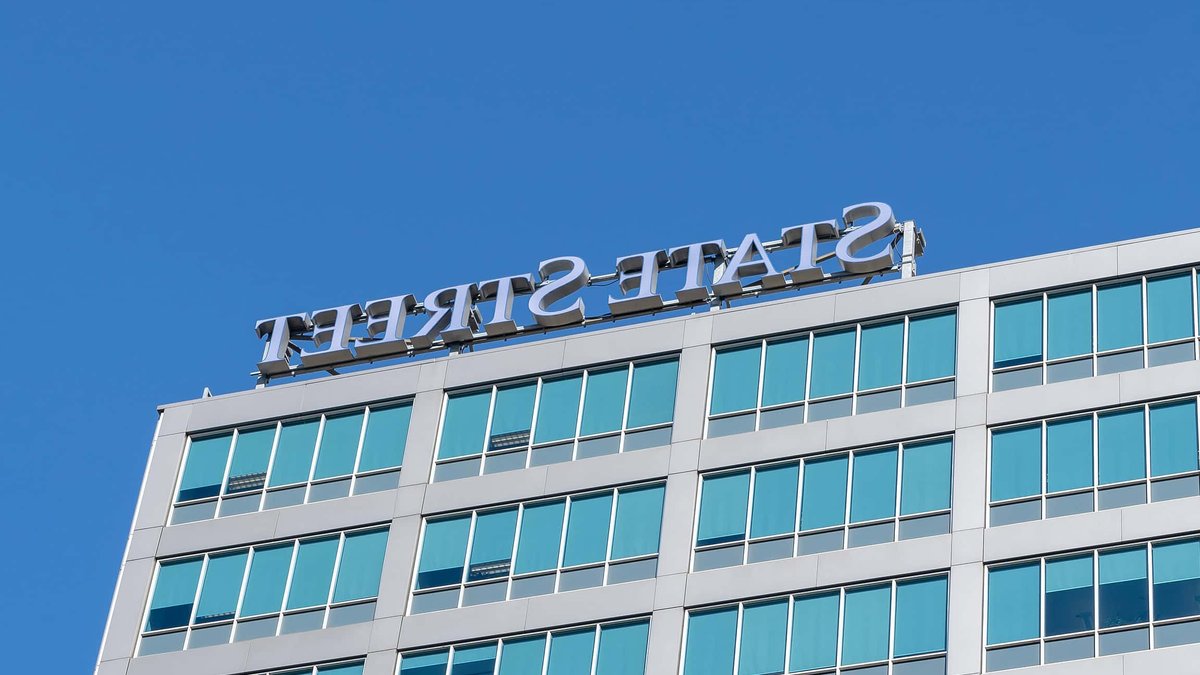
State Street’s entry into Oman marks a shift for the Gulf nation’s ambitions to become a regional financial hub.
Deal formalizes the push into Muscat
At the Oman Capital Market Conference in Muscat earlier this month, State Street signed a memorandum of understanding with Riyadh‑based Jadwa Investment. Jadwa, which oversees roughly $30 billion in client assets, will cooperate with the U.S. custodian to target institutional investors in the sultanate. The partnership focuses on global custody and asset‑servicing capabilities, sectors where Oman has historically lacked large‑scale infrastructure.
The custodian, one of the three major global custodians along with BNY Mellon and Northern Trust, has maintained a modest presence in Muscat for more than twenty years. This new agreement deepens that footprint, turning a long‑standing client relationship into a formalized market strategy.
Oman’s broader goal: emerging‑market status for its exchange
Oman’s sovereign wealth fund, the Oman Investment Authority, took control of the Muscat Stock Exchange (MSX) in 2021. Since then, the authority has injected liquidity, floated state assets such as units of energy group OQ, and nearly doubled the market’s capitalization to about $98 billion. The overall economy is estimated at $117 billion, meaning the exchange now represents a sizable slice of national output.
Related: Top Finance Chiefs of the Season Named
A newly created regulator, the Financial Services Authority, began operating in 2024. It has introduced incentives for listings, a junior market for smaller firms, and cross‑border arrangements designed to draw foreign investors. Plans are also underway to privatize up to 35 state‑owned companies by next year, which would expand the free float of shares available to the public.
Even with these moves, the MSX remains modest compared to Saudi Arabia’s Tadawul, which commands about $2.7 trillion in market value. Liquidity on Oman’s exchange is thin, and state ownership still dominates many listed firms.
State Street’s involvement could help address the back‑office gap that has limited the exchange’s appeal to global investors. By offering robust custody and asset‑servicing solutions, the custodian may make it easier for index‑tracking funds to consider the MSX as part of their portfolios.
For market participants, the deal signals that Oman is willing to invest in its own financial infrastructure rather than continue relying on external providers. It also suggests that the Gulf’s smallest financial center is positioning itself as a complementary hub to the larger economies of Dubai and Abu Dhabi.
Related: BYD Partners with European Banks for EV Push
From a practical standpoint, the presence of a custodian like State Street could lower operational costs for local asset managers and improve settlement efficiency. That, in turn, may encourage more regional firms to list on the Muscat exchange, potentially widening the pool of tradable securities.
Nevertheless, the memorandum does not yet bind either party to specific asset commitments. No capital has been transferred under the agreement, and the partnership remains at an exploratory stage.
The real impact will depend on how quickly the custodian can scale its services and whether Omani regulators continue to streamline market access.
Overall, the collaboration redraws the periphery of the Gulf’s financial map. While Oman lags behind its more established neighbors in terms of market depth, the alliance with a major custodian could accelerate its journey toward emerging‑market recognition.

Top Finance Chiefs of the Season Named


