


Holcim CFO Steffen Kindler shares outlook
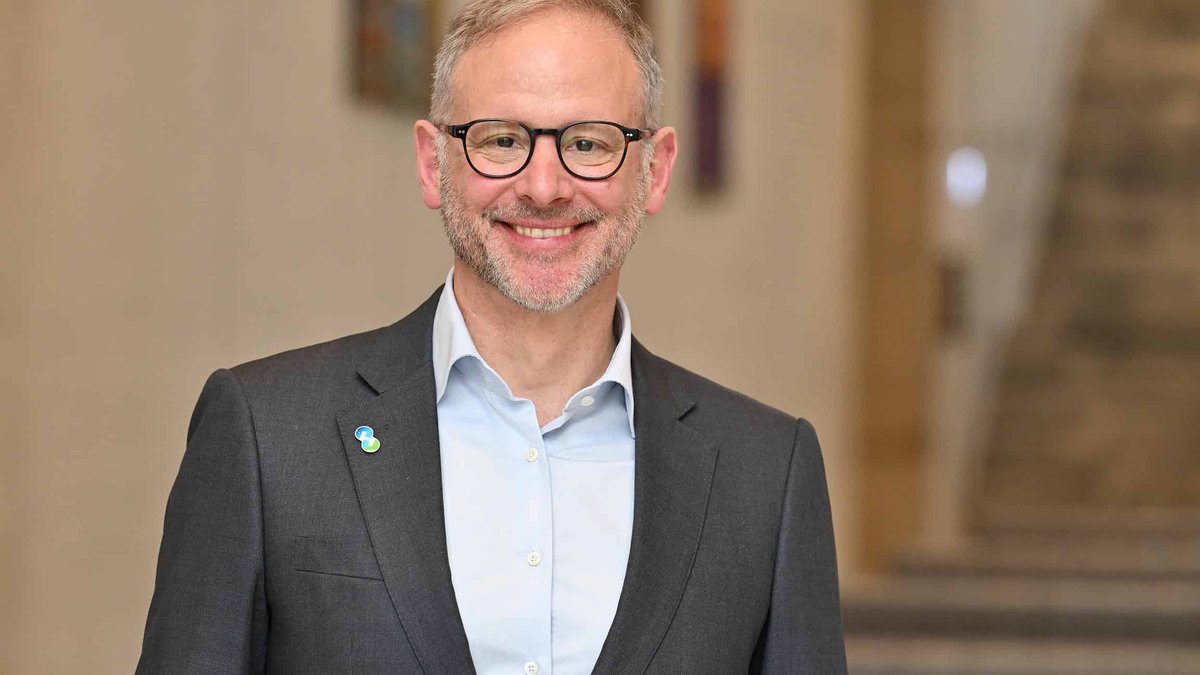
Steffen Kindler, the Chief Financial Officer of Holcim, has spent the last two years steering the Swiss building materials giant through a major corporate restructuring and a digital transformation. Since joining the company in 2023, Kindler—who brings two decades of finance leadership experience from Nestlé—has focused on separating the company’s North American operations from the rest of the business. Holcim, listed on the SIX Swiss Exchange and operating in 43 markets globally, reported net sales of 15.7 billion Swiss francs last year. The financial strategy under Kindler’s guidance emphasizes distinct regional operations and the integration of artificial intelligence to drive future growth.
Separation of North American Operations
Kindler identifies the spinoff of the North American business as a primary achievement since taking the helm. The financial carve-out involved establishing a new finance organization and listing the North American entity on the New York Stock Exchange. This move split the parent company into two distinct entities: a North American corporation and a “rest-of-the-world” company.
Related: State Street Increases Investment Stake in Oman
The logic for this separation was rooted in differing market environments and sustainability goals. In Europe, decarbonizing the product portfolio was a key driver of financial success, whereas U.S. customers were more focused on volume growth. Making sustainability less relevant to their immediate strategy.
The decision was made because the two regional approaches were reportedly hindering each other more than helping the overall group. By splitting, the companies can now pursue strategies tailored to their specific customers. The strategy was well-received by financial markets, which supported the move with strong share price appreciation throughout 2025.
One challenge in managing such a global footprint is the friction between global mandates and local market realities. The decision to separate the company reflects a common struggle within multinational conglomerates where top-down strategies often clash with the immediate demands of local markets. In Holcim’s case, the pressure to reduce carbon emissions in Europe creates a different operational reality than the need to maximize volume in the United States. By physically separating the businesses, the company avoids internal political battles over resource allocation. It effectively trades global uniformity for the flexibility to let the American branch prioritize throughput and speed, while its European counterpart doubles down on green manufacturing. This separation allows each entity to appeal to investors with a clear, singular narrative rather than a diluted global story.
Related: Avoid These Five Rental Property Mistakes
Artificial Intelligence Targets
Beyond physical restructuring, Kindler is steering Holcim toward artificial intelligence as a core value driver. The company expects AI to generate 200 million Swiss francs in recurring earnings before interest and taxes by 2028.
The goal is based on mature technologies rather than speculative research. Technology has now advanced to the point where it can reliably create value. Applications include predictive maintenance, where AI anticipates machine breakdowns to reduce downtime, and commercial sales tools that analyze large datasets to optimize offers for building projects.
Leadership and Team Management
Holcim is already seeing tangible benefits of roughly 30 million francs this year from these initiatives. The financial benefit is split between additional profit and cost avoidance. Predictive maintenance helps avoid losses by stopping breakdowns before they happen. Meanwhile, AI supporting commercial teams creates additional value by providing insights into how different inputs for an offer are determined. This automation reduces the manual work involved in bidding, allowing teams to evaluate more projects and focus on decision-making rather than information gathering.
Related: Nvidia Stock Jumps on China Import Approval
Managing a finance operation of this scale requires a significant investment in human capital. Kindler admits he cannot execute a strategy of this magnitude alone, stating that “the team is everything.” He dedicates approximately one-third of his time to people-related topics.
This allocation includes succession planning, coaching, and career development for his direct reports and regional CFOs. The process involves structured discussions regarding talent, open jobs, strengths, and weaknesses. Keeping the team motivated is a priority, achieved by offering interesting roles and exposure rather than relying solely on standard oversight. Kindler utilizes an open-door approach to provide support and ensure that employees feel valued. This heavy investment in human resources suggests that Kindler views the structural and technological changes as secondary to the people executing them. Without a strong, motivated finance function, the strategic decisions regarding the spinoff and AI integration would struggle to take root.

State Street Increases Investment Stake in Oman


